
Why JRG Exists
Jones Restaurant Group was born from a simple frustration: too often, convenience means limited choice. JRG is being built to combine speed, variety, operational discipline, and a better family experience in one connected hospitality platform.
What began as a personal observation grew into a larger vision for a multi-phase restaurant and hospitality platform designed for the way people actually want to eat today: off-premise when they need convenience, experience-capable when they want to gather, and flexible enough to serve families, groups, events, and everyday demand.
The Starting Point
The Idea Started With a Simple Question
I found myself going to a nationally popular chicken franchise often because the drive-thru was fast and convenient, but over time I kept coming back to the same thought: why does convenience usually mean limited choice?
I wanted the speed and ease of drive-thru service without being boxed into one narrow category. And the more I talked to other people, the more I heard the same thing. Many drive-thru options are built around one dominant type of food, which can make it harder for families or groups with different tastes to agree on one place.
That simple frustration became the starting point for JRG.

What We Learned
Ghost Kitchens Helped Clarify the Opportunity
Ghost kitchens demonstrated that multiple food concepts could operate from shared production space, using common equipment, labor, purchasing, and delivery systems. That model showed the value of centralized operations and helped shape JRG’s approach to efficiency, consistency, and controlled growth.
However, efficiency alone is not enough. Customers also want recognizable brands, dependable quality, convenient pickup, and confidence in where their food is prepared. JRG’s platform is designed to combine the operational advantages of shared infrastructure with a more visible, trusted, and customer-focused hospitality experience.
Designed for Real Families
A Better Fit for How Families Actually Choose Food
Families are one of the clearest examples of why this matters. Going out to eat should feel easy, not like a negotiation. But when a family has different tastes, or one child is a picky eater, even deciding where to go can become difficult.
That is one of the reasons JRG is designed around multiple food categories and separate serving lines. The goal is to let people choose what fits them best while still sharing the same outing together.
Ethan’s Ice Cream & Desserts is part of that same thinking. It is not just another concept. It adds excitement for kids, supports add-on purchases, and helps make the overall experience feel more enjoyable and complete for families.

Built With Intention
The Platform Was Designed to Match the Problem
JRG is not a collection of random concepts. It is a platform designed to solve a specific set of customer and operating challenges.
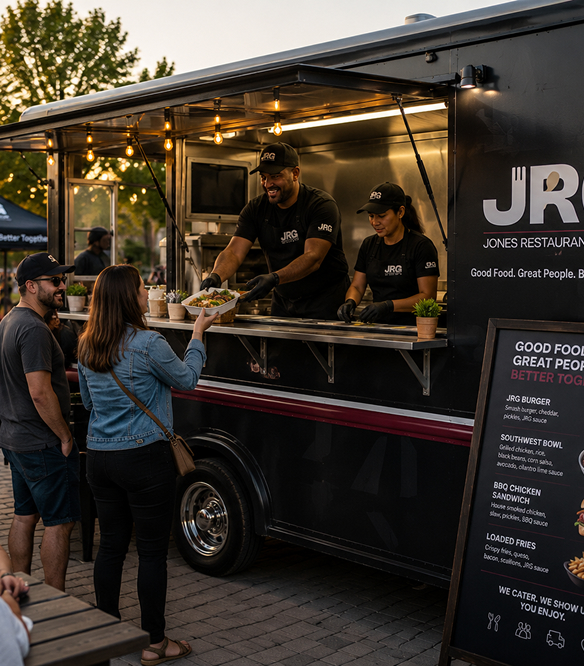
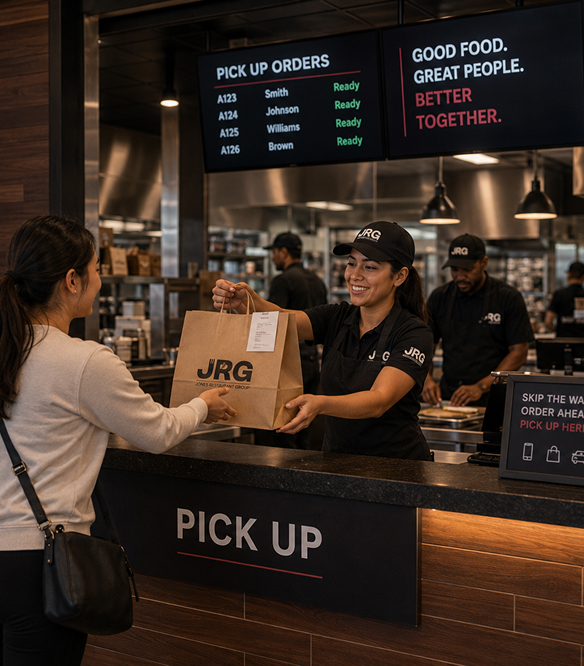
The model is meant to offer broader choice through connected concepts, stronger convenience through pickup and drive-thru, and greater long-term resilience through multiple revenue channels. That includes everyday meal traffic, desserts, catering, food trucks, and event-based business.
The objective is simple: build a hospitality platform that can serve more occasions, more customer preferences, and more revenue types from one coordinated operating structure.
The Operating Backbone
Why the Plan Starts With the Commissary
A project like this only works if the operations behind it are strong. That is why JRG begins with the commissary.
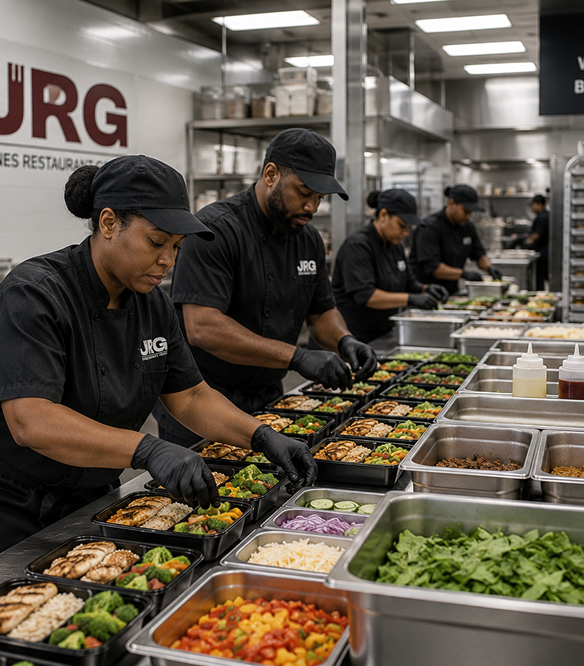
The commissary is intended to serve as the production and prep engine behind consistency, throughput, pickup support, catering support, and future scale. It creates the operational backbone needed to support multiple concepts and multiple channels more efficiently.
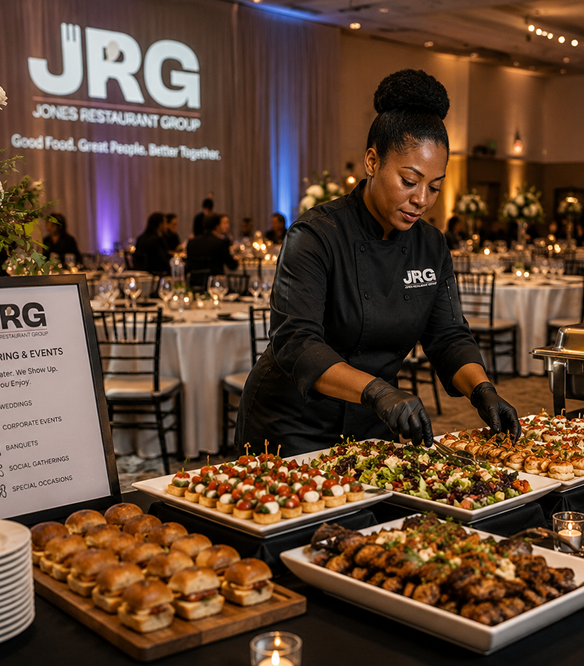
But building production capacity alone is not enough. That is why the broader platform also includes the channels needed to keep that engine productive, including food trucks, catering, and a future banquet and meeting facility designed to support weddings, corporate events, special meal events, and small expos.
In other words, if we are going to build the production capability, we also need to build the demand channels to keep it working.
Why the Planning Matters
Planning First Is Part of Risk Reduction
Some people may question why so much planning comes before funding. My view is simple: on a project of this scale, the planning is part of the risk reduction.
This is a large, multi-phase business. The fastest way to waste money later is to skip the thinking now. The work that has gone into the plan is not about appearing busy. It is about pressure-testing the model, understanding the capital requirements, aligning the phases, and reducing avoidable mistakes before asking others to invest.
For JRG, the plan is not separate from the business. The plan is part of how the business is being responsibly built.
Built With People in Mind
The Right Team Should Share in the Long-Term Opportunity
None of this works without dedicated people who care about doing things the right way every day.
That is why JRG’s long-term vision includes creating meaningful ways for team members to participate in the company’s growth over time, subject to final structure, eligibility, and applicable legal requirements. The goal is not just to create jobs, but to build a company where people can take pride in what they helped create.
That philosophy is part of the company’s long-term identity: build carefully, operate responsibly, and create opportunities for the people who help make the business successful.
How the Vision Comes to Life
Build the Engine First, Then Build the Flagship
JRG is designed in phases for a reason.
The first phase centers on building the commissary and operations backbone to support production, consistency, pickup, and early revenue channels. The next phase brings the broader customer experience to life through a flagship destination facility that combines multiple food categories, a dual-window drive-thru, family-friendly choice, and an event-driven demand engine.
That phased approach is intended to create a more disciplined path to growth by building the operational foundation before scaling the full experience.
This Is Not About Doing More.
It Is About Building Better.
I do not believe this level of planning is excessive. I believe it is responsible.
JRG is being designed carefully because the goal is to build something substantial, disciplined, and durable. The vision is ambitious, but it is also grounded in how people actually live, order, gather, and make choices. That is why the model is structured the way it is, and that is why I believe the work done up front matters.
— Bob Jones